
Two Decades of JAFF: Nurturing Indonesian Cinema Through the Eyes of Women Filmmakers

Over the past two decades, the Jogja-NETPAC Asian Film Festival (JAFF) has grown far beyond the role of a film festival. It has become a cultural home—a shared space of refuge, collaboration, and creative possibility. JAFF not only screens films; it sustains an ecosystem. This openness has been acknowledged by filmmakers who return year after year, recognizing the festival as a vital part of the life cycle of Indonesian cinema.
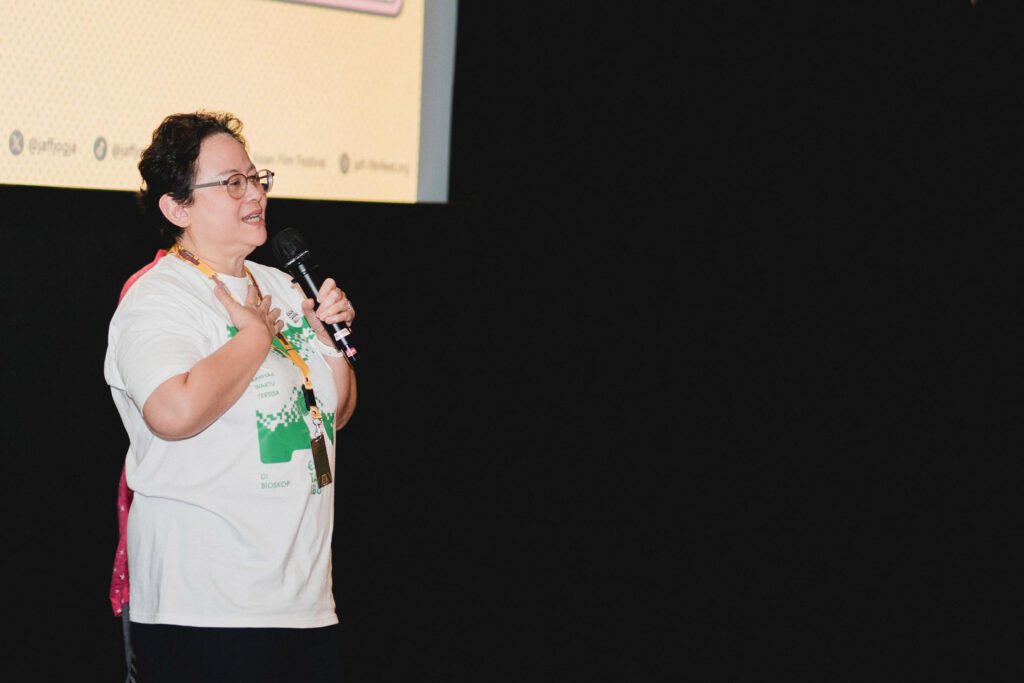
Producer and BASE Entertainment co-founder Shanty Harmayn noted that JAFF’s ability to safeguard cinema for so long is no small feat. Having witnessed the festival’s development since its inception by Garin Nugroho, she emphasized how JAFF has evolved hand in hand with Indonesian film itself. This spirit aligns with this year’s theme, Transfiguration, marking a shift toward an even more dynamic and impactful festival.
“It is incredibly important for festivals like JAFF to keep thriving. They are one of the flames that ensures we keep nurturing cinema—its appreciation, its viewing culture, its cinematic experience, and its emerging filmmakers. There are so many crucial elements that JAFF carries,” said Shanty, producer of Esok Tanpa Ibu (Mothernet, Ho Wi Ding, 2024).
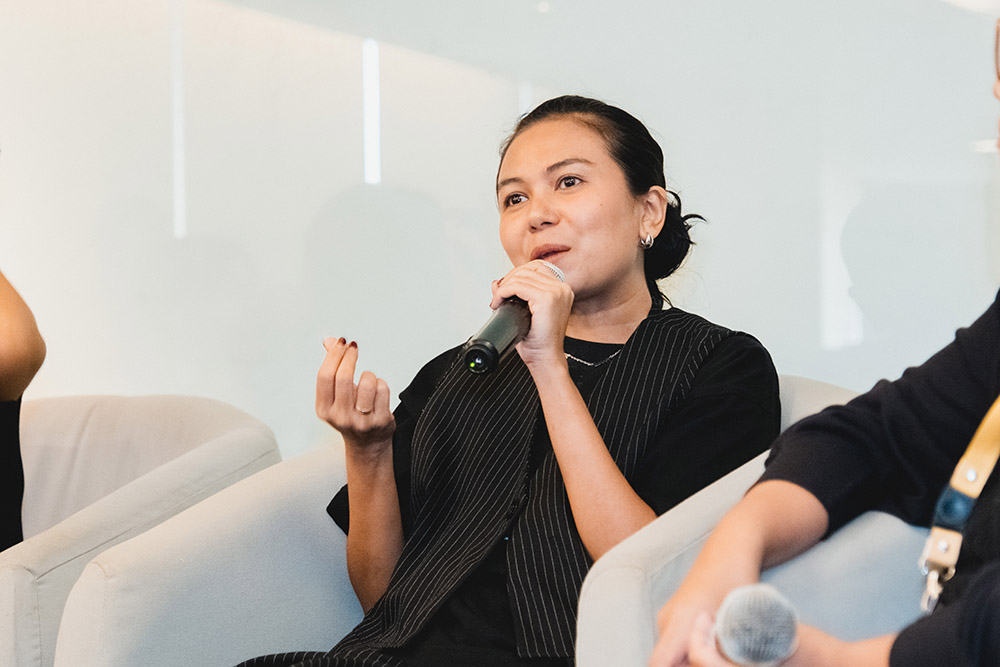
Director Kamila Andini (Before, Now & Then, 2022; Yuni, 2021; The Seen and Unseen, 2017) reflected on JAFF as a space that has consistently upheld equality within the film ecosystem. Throughout its history, the festival has sought to create room—generous, accessible space—for anyone working in film. This commitment is evident in the breadth of issues JAFF highlights, from inclusive safe spaces to environmental responsibility. This year, JAFF introduced a green policy, reinforcing its dedication to sustaining all forms of life within the festival. “At this point, I see JAFF continuously growing and improving itself again and again. Every year it feels more solid—more attentive to the environment, to safe spaces, and to strengthening everything surrounding the festival,” Kamila shared.
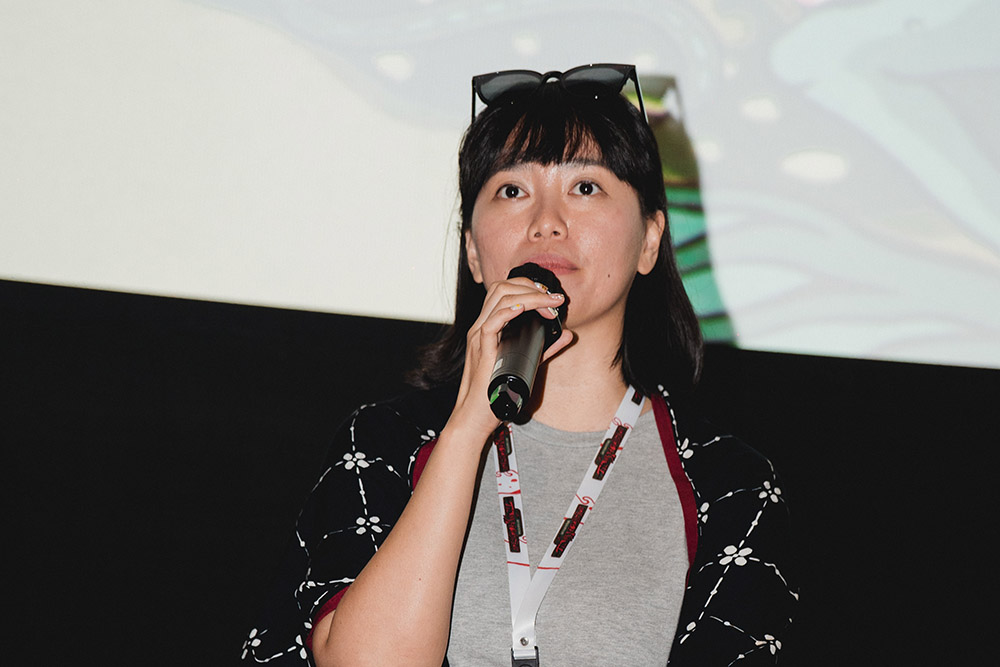
For producer Suryana Paramita (SORE: Istri dari Masa Depan, Yandy Laurens, 2025), JAFF’s success is anchored in the support it receives from filmmakers and audiences alike. JAFF has long fulfilled its mission of contributing to Indonesian cinema, but expectations for the festival’s evolution naturally grow alongside the industry. She sees the festival’s innovative DNA—its willingness to expand, collaborate, and nurture young filmmakers—as central to its continued relevance.
“My hope is for JAFF to keep growing. Actually, it’s not just a hope—I look forward to seeing more innovations from JAFF. Because I truly believe it’s in JAFF’s DNA to keep developing itself and widening its embrace,” she said.
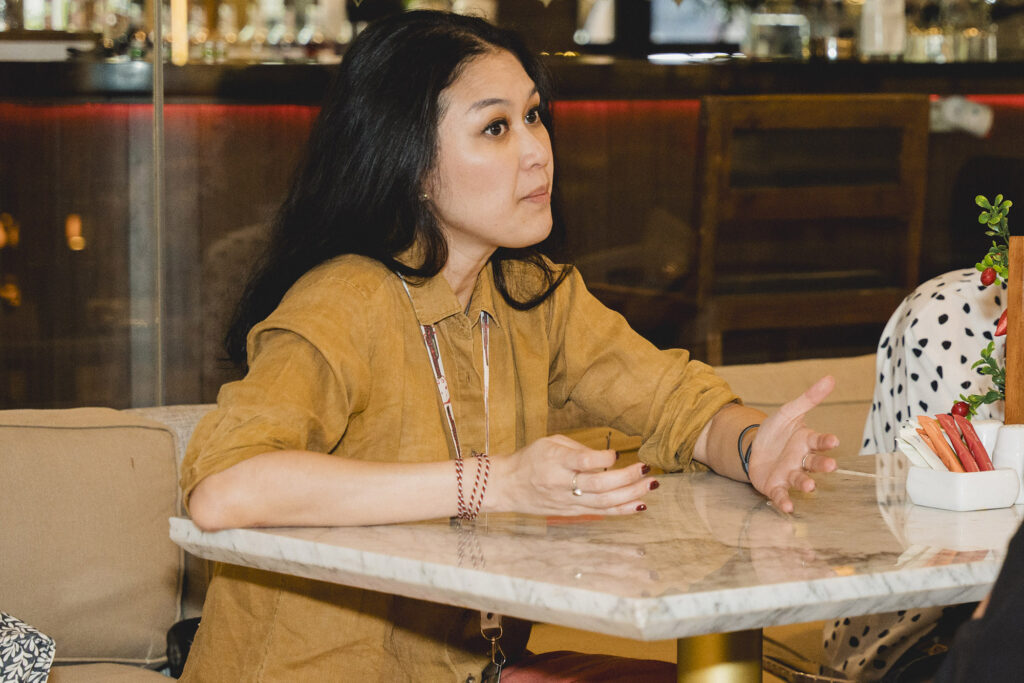
Echoing JAFF’s impact, Marissa Anita—winner of the 2021 Citra Award for Best Supporting Actress—highlighted the festival’s role in opening pathways for regeneration within the industry, including for women filmmakers. As opportunities for women continue to expand, she sees JAFF as a force that helps shape a healthier, more collaborative ecosystem for future generations of Indonesian cinema.