#title #film #director #schedule
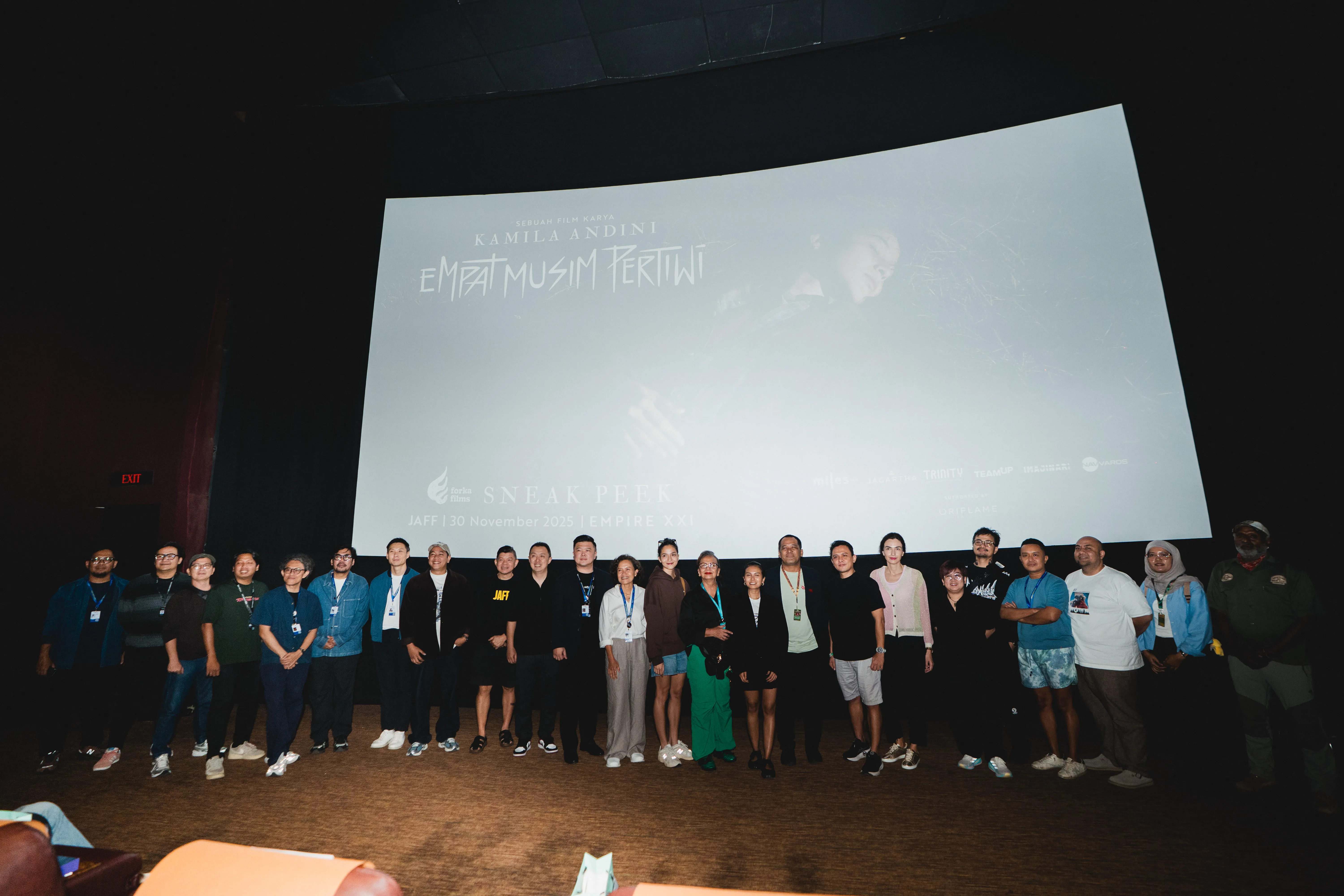
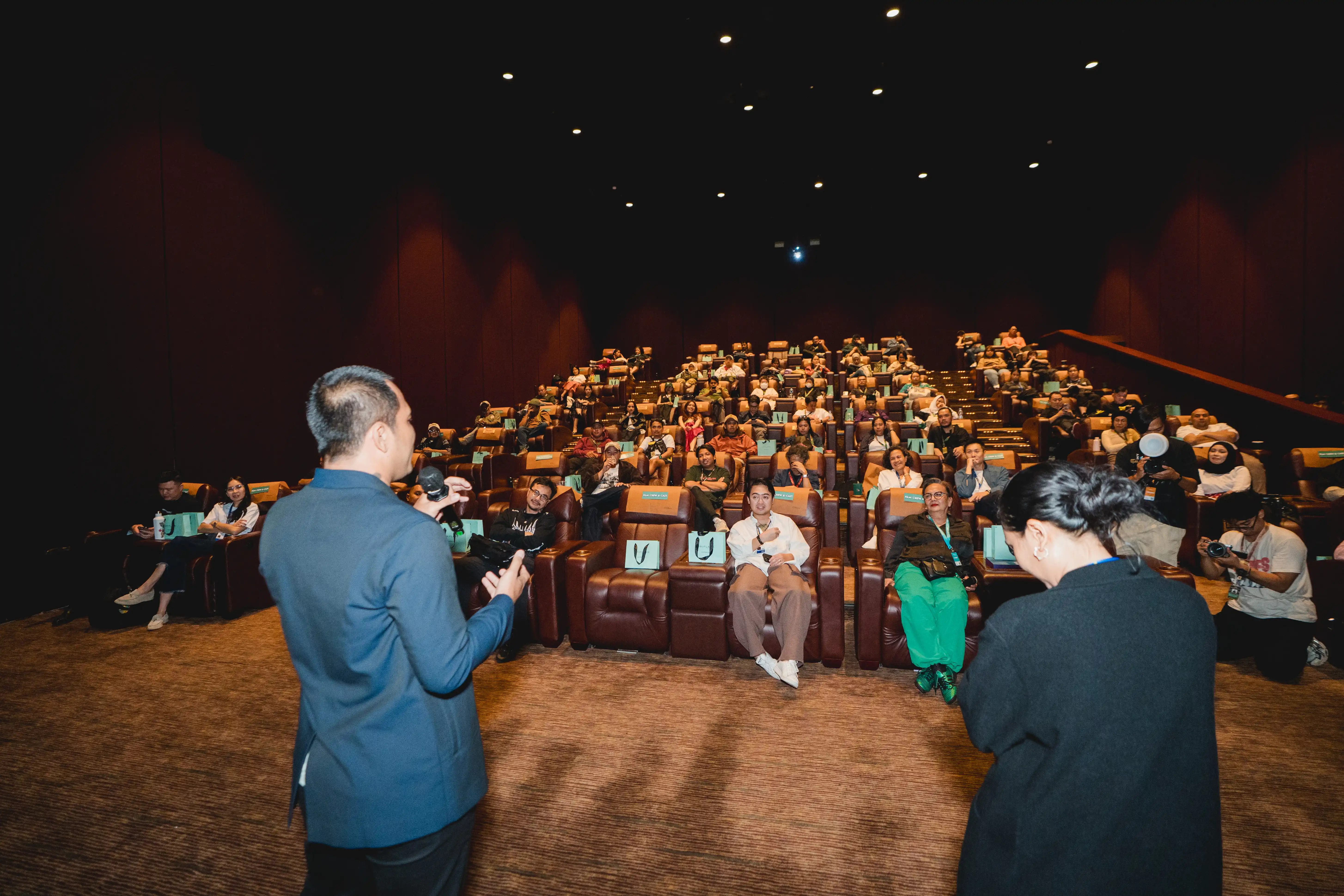
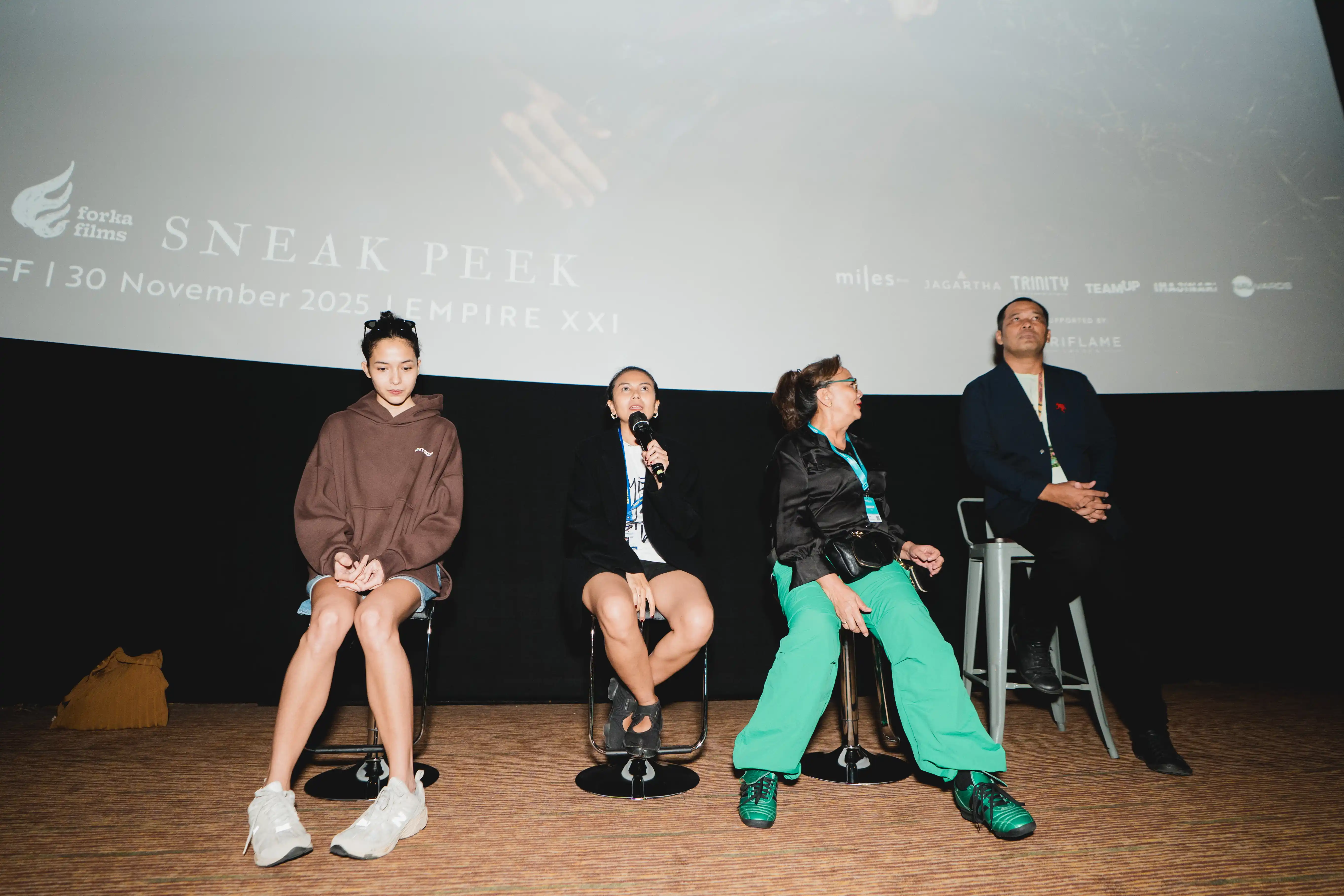
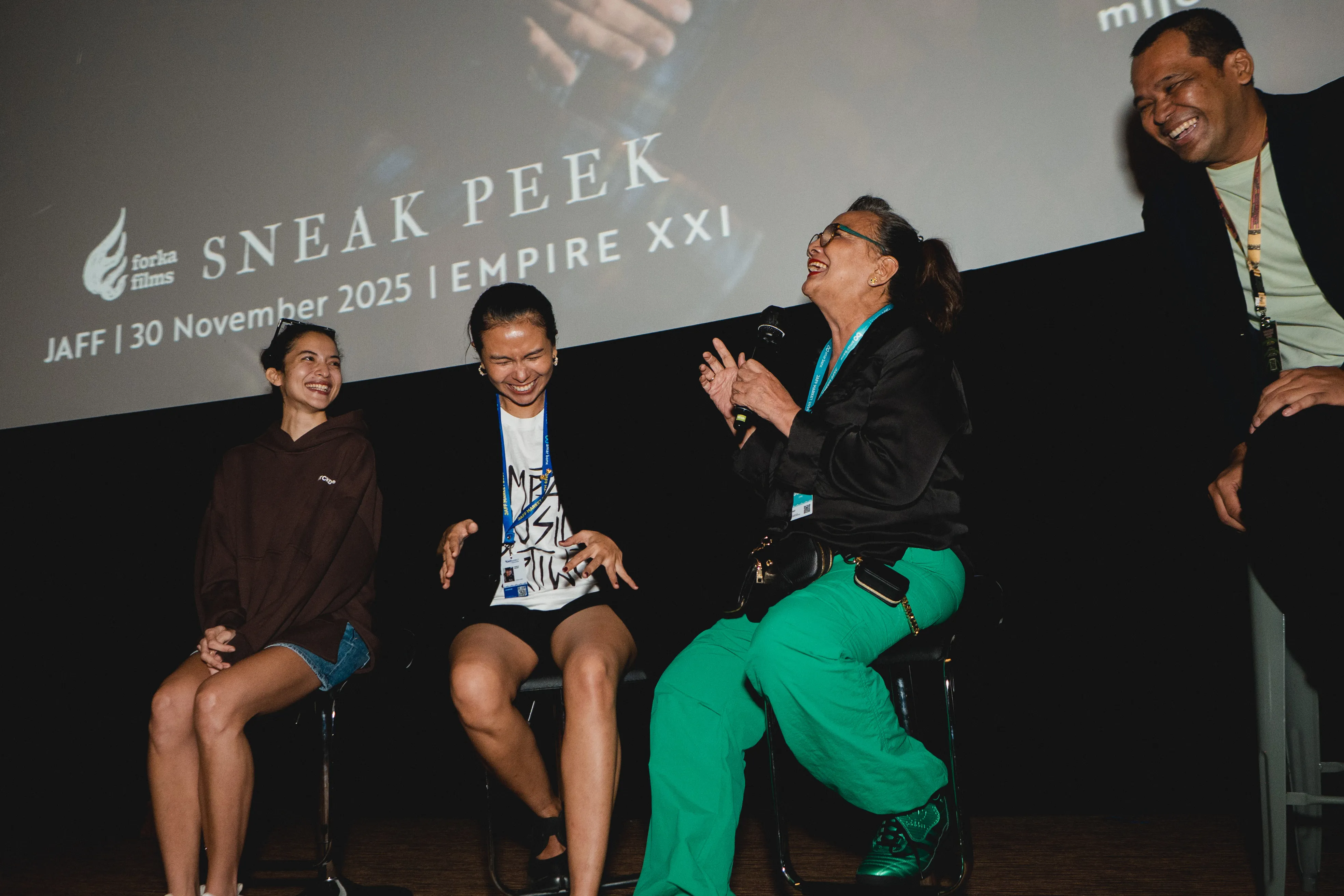
During the most awaited sneak-peek program on the second day of JAFF 2025, renowned Indonesian female director Kamila Andini revealed Four Seasons in Java to be the most challenging film she has ever made. The difficulty lies not only in its technical demands, but in the immense emotional weight it carries. The film confronts themes of sexual violence and deep-rooted trauma, subjects that required Kamila to undergo a long, exhausting research process and to navigate difficult questions about how to portray this sensitive story with the utmost care and structure.
Kamila first began writing the story of Pertiwi, the film’s main character, in 2017, drawing inspiration from several heartbreaking real events. There were moments she doubted whether to continue. But as she encountered news about sexual violence cases involving powerful figures, as well as stories from families in Eastern Indonesia, she felt compelled to keep going. The film is dedicated to voices that have long been silenced, offering a visual representation of pain that rarely finds space on the big screen.
This work promises an exploration that weaves together stark realism with haunting traces of surrealism. With all the emotional complexity it carries, the film hopes to spark crucial conversations about justice and trauma recovery. Four Seasons in Java (Empat Musim Pertiwi) is slated for release in 2026 and is undoubtedly one of the films to watch out for in the coming year.
As JAFF20 enters its final day, the eighth day of the festival continues to bring stories that touch the most intimate corners of human experience—from emotional journeys across time to public spaces that quietly witness life, connection, and farewell. Today also revisits two decades of Jogja’s film community movement through a forum that opens intergenerational dialogue and reflection. Before joining us at the JAFF20 Closing Night, make time to watch today’s film highlights and take part in a collective walk down JAFF’s memory lane through the Community Forum.
Over the past two decades, the Jogja-NETPAC Asian Film Festival (JAFF) has grown far beyond the role of a film festival. It has become a cultural home—a shared space of refuge, collaboration, and creative possibility. JAFF not only screens films; it sustains an ecosystem. This openness has been acknowledged by filmmakers who return year after year, recognizing the festival as a vital part of the life cycle of Indonesian cinema.
Adding {{itemName}} to cart
Added {{itemName}} to cart