Consent as Craft: Redefining Professional Practice in Intimate Scenes

In an industry still largely dominated by men, women in film deserve the right to create and grow in an environment that is safe, respectful, and equitable. Power dynamics within production spaces too often open the door to sexual violence, prompting the emergence of a profession that serves as a neutral bridge between directors and actors: the Intimacy Coordinator (IC).
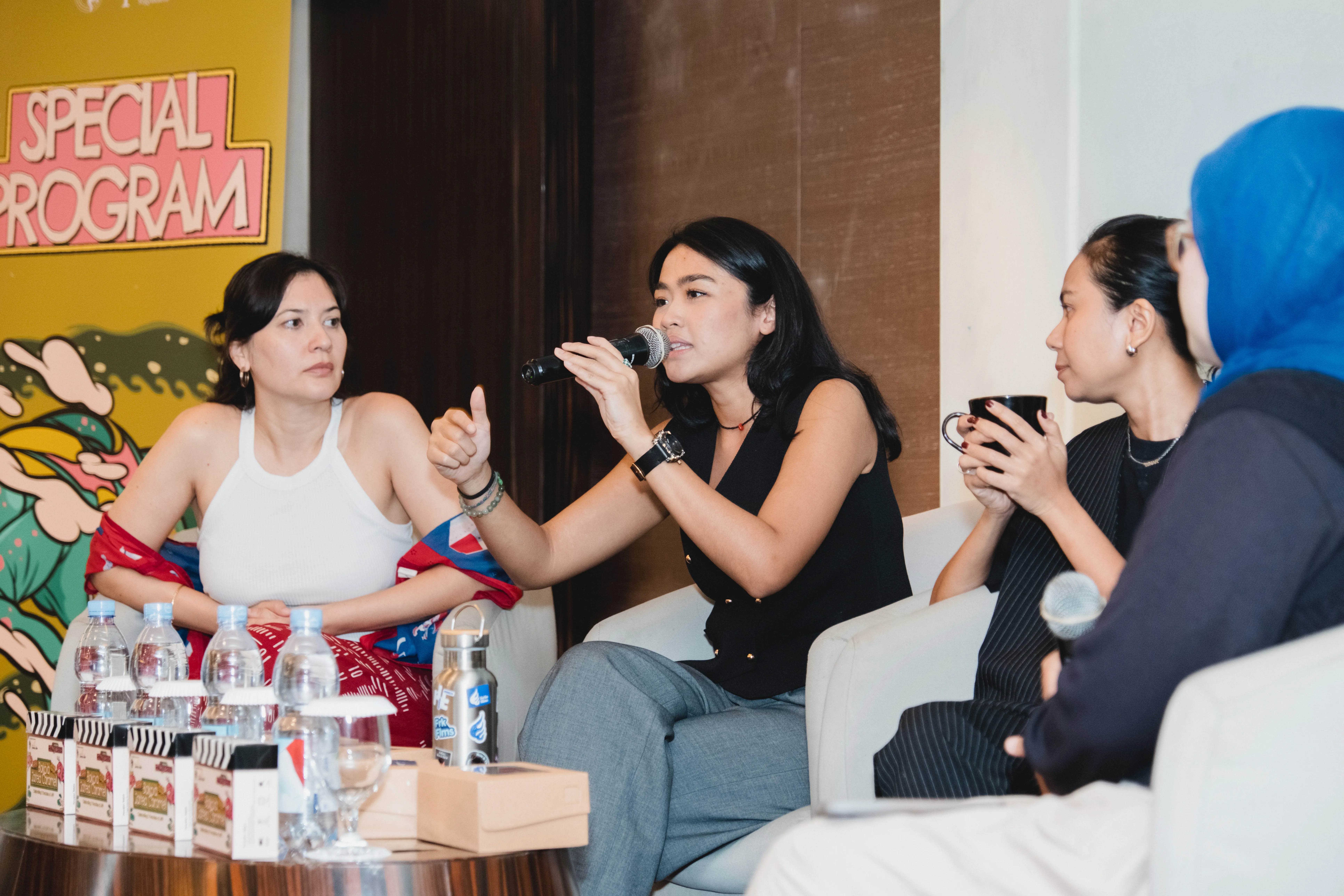
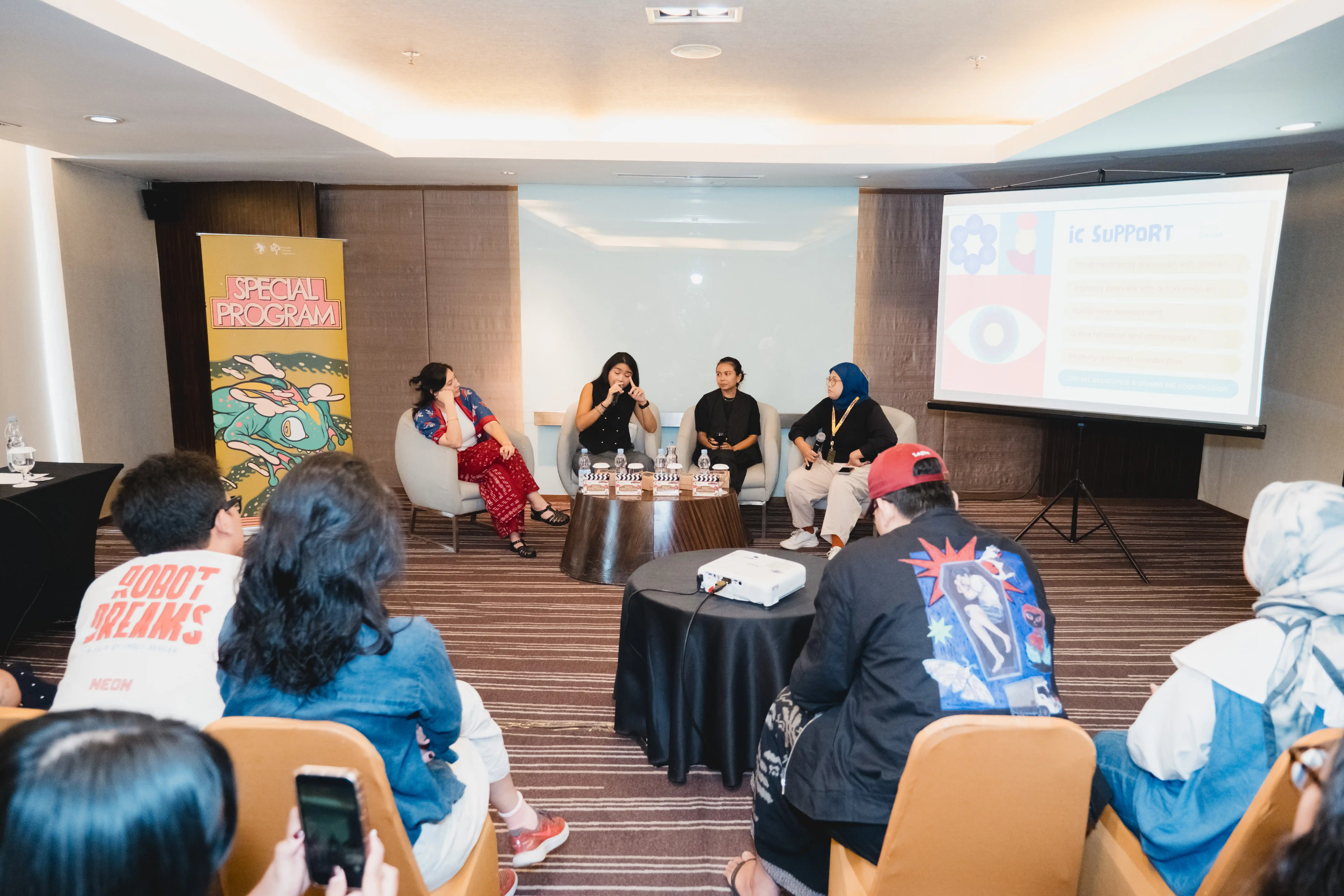
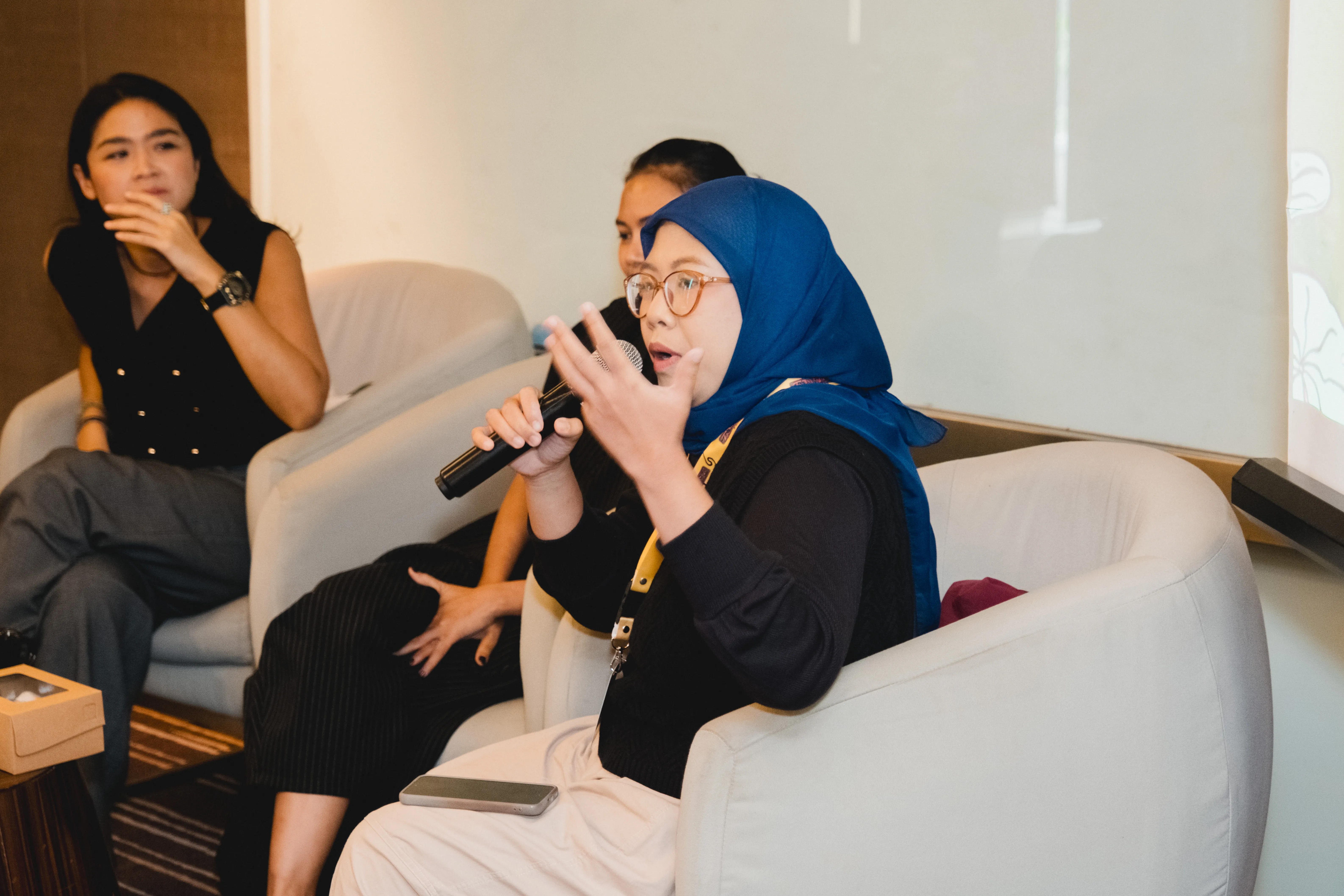
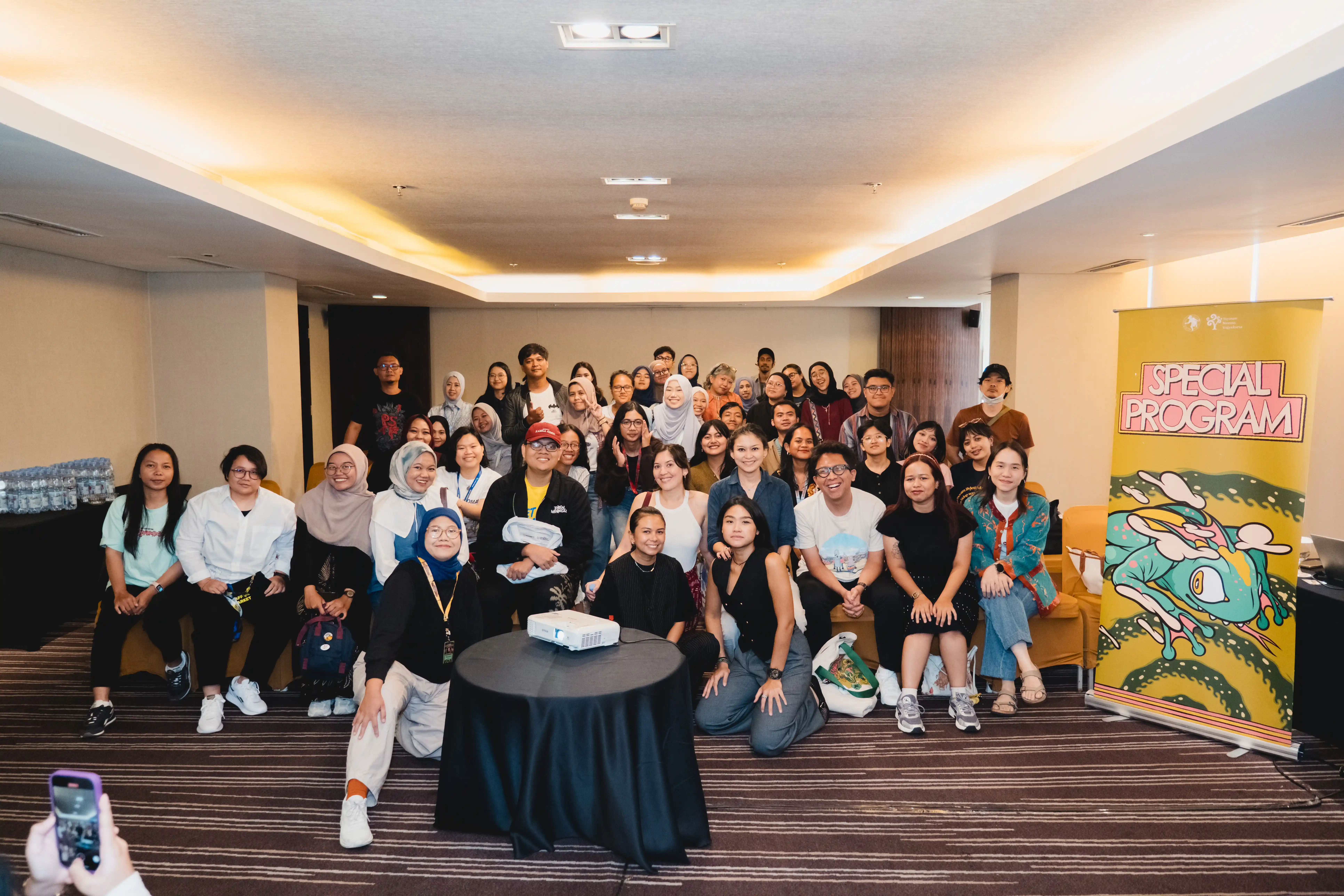
This Public Lecture brought together established figures in the industry; Hannah Al-Rashid, Kamila Andini, and Intimacy Coordinator Runny Rudyawati guided by women’s rights advocate Kalis Mardiasih. Together, they unpacked the vital work of Intimacy Coordinators and their contribution to building safer, more supportive film workplaces.
As an IC, Runny outlined her responsibility to understand both the narrative purpose of an intimate scene and the personal boundaries agreed upon by the actors involved. Intimacy Coordinators oversee scenes involving physical intimacy, nudity, or simulated sex—ensuring that communication flows clearly and that all departments across production benefit from a shared understanding of expectations.
The work is far from easy, yet it plays a crucial role on set. Kamila Andini recounted moments during production when explicit language used to describe intimate scenes felt awkward or uncomfortable. In those situations, she said, the IC was essential in translating overly direct language into technical terms while maintaining professionalism for everyone involved.
Hannah Al-Rashid also reflected on earlier periods in her career, when ICs were not yet present and she had to protect herself from being pressured into actions she did not consent to. She emphasized that producers must clearly state from the outset that sexual violence will not be tolerated in their productions—allowing actors and crew to feel confident that they are working in a safe environment where they can speak up against misconduct.
Despite rising demand, the number of active ICs in Indonesia remains very limited. Runny noted that training and certification are costly and therefore not easily accessible, contributing to the shortage of professionals in the field. She hopes that in the future, more people will pursue this career path, accompanying a film industry that is steadily moving toward greater inclusivity.
Writer: Meutia Rafa Anandita
Photos: JAFF Documentation Team