
JAFF20 Emerges as the Hub of Asian Innovation Through Netflix Creative Asia Showcase

The 20th Jogja-NETPAC Asian Film Festival (JAFF) marked a significant milestone yesterday (2/12) as the Ballroom of Hotel Tentrem Yogyakarta transformed into a hub of cinematic innovation. Hosting Netflix Creative Asia, the festival brought together the region’s most visionary talents for an afternoon dedicated to the burgeoning influence of Southeast Asian storytelling. The event featured three dynamic sessions exploring genre cinema and production excellence, before culminating in a landmark press conference that unveiled a major collaboration between Netflix and Indonesian literary icon, Dee Lestari.
The event kicked off with high energy at the Netflix SEA Zombie Showcase, spotlighting three groundbreaking films that are redefining the zombie genre with distinct local flavors: Abadi Nan Jaya (Indonesia), Ziam (Thailand), and Outside (Philippines). The session featured directors Kimo Stamboel, Kulp “Tent” Kaljareuk, and Carlo Ledesma, who shared exclusive behind-the-scenes insights into bringing the undead to life in their respective cultures.
Kimo Stamboel, the director of Abadi Nan Jaya (The Elixir), emphasized the importance of cultural identity in his film. He noted that the project is not merely about jump scares but about grounding the apocalypse in Indonesian local wisdom and geography. “We are bringing a zombie apocalypse that feels uniquely ours, grounded in our geography and our humor,” Stamboel remarked, highlighting Netflix’s commitment to “hyper-local” storytelling that resonates globally. Kulp Kaljareuk discussed Ziam, which blends Muay Thai action with horror, while Carlo Ledesma shared his approach to Outside, a psychological thriller focusing on a family’s survival, proving that the zombie genre in Southeast Asia is teeming with fresh, blood-pumping narratives.
The atmosphere turned cerebral in the second session, “Creator x Creator Conversation,” which facilitated a meeting of minds between two of the region’s most prolific filmmakers: Indonesia’s Joko Anwar and the Philippines’ Erik Mati
In a dialogue that served as a masterclass for aspiring filmmakers, Anwar and Matti dissected the “Asian Horror” phenomenon. They explored how local superstitions are translated for modern, international audiences without losing their cultural grit. Joko Anwar, fresh from the success of Nightmares and Daydreams, emphasized horror as a potent vehicle for social commentary. Erik Matti, known for his unflinching style in films like On the Job and the upcoming series BuyBust, argued passionately for authenticity. “The world doesn’t need another polished Hollywood replica; they want to see the heat, the noise, and the soul of our cities,” was a key sentiment shared, underscoring the necessity of preserving the raw, authentic voice of Southeast Asian cinema.
Shifting focus to the technical backbone of the industry, the third session, “SEA Production Panel,” gathered leading figures in production and post-production. The panel featured Jeab Piyaporn Indageha (Producer of Dalah: Death & The Flowers), Chartchai “Nat” Ketnust (CEO of White Light Post), and Astrid Sambudiono (SFX Makeup Artist for Abadi Nan Jaya and Gadis Kretek). Guided by acclaimed editor Lee Chatametikool, the discussion centered on skill-sharing and the evolution of production pipelines.
The panelists discussed the rapid advancement of filmmaking technology and the upskilling of local crews to meet global standards. Astrid Sambudiono shared her experience in creating practical effects that push the boundaries of realism, while Chartchai Ketnust spoke on the world-class visual effects and color grading capabilities now available within the region. The consensus was clear: Southeast Asia has transcended its role as a mere location for outsourcing to become a hub of world-class technical talent capable of executing complex, high-budget narratives.
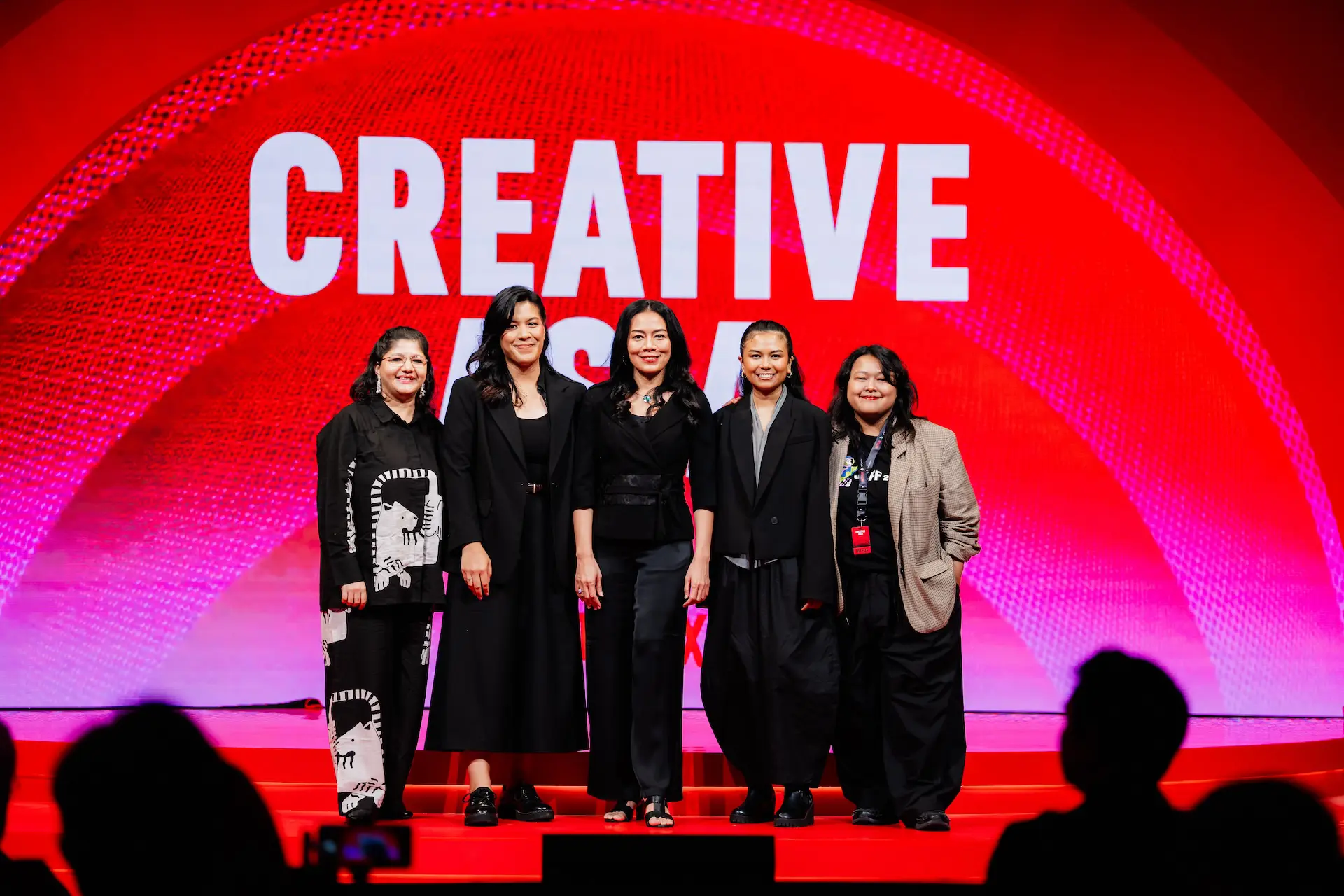
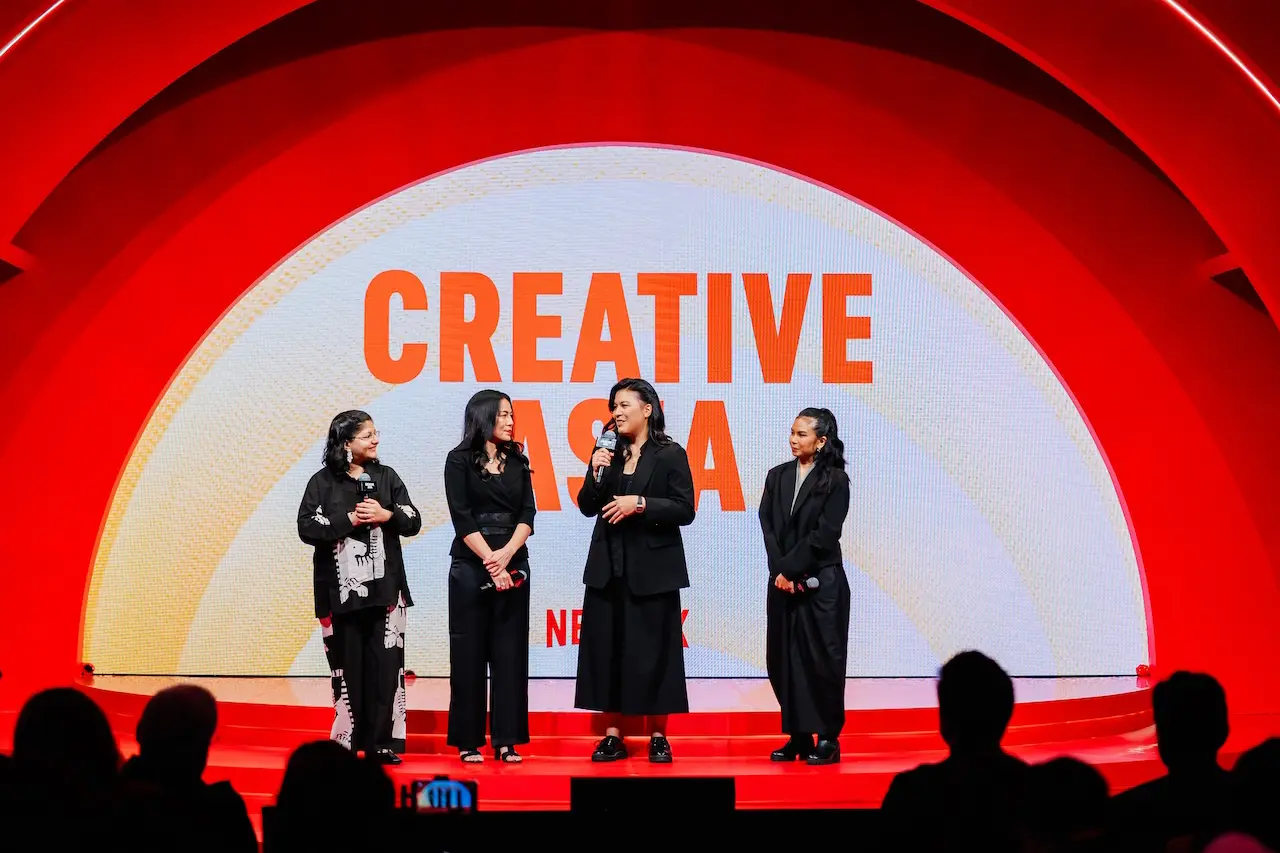
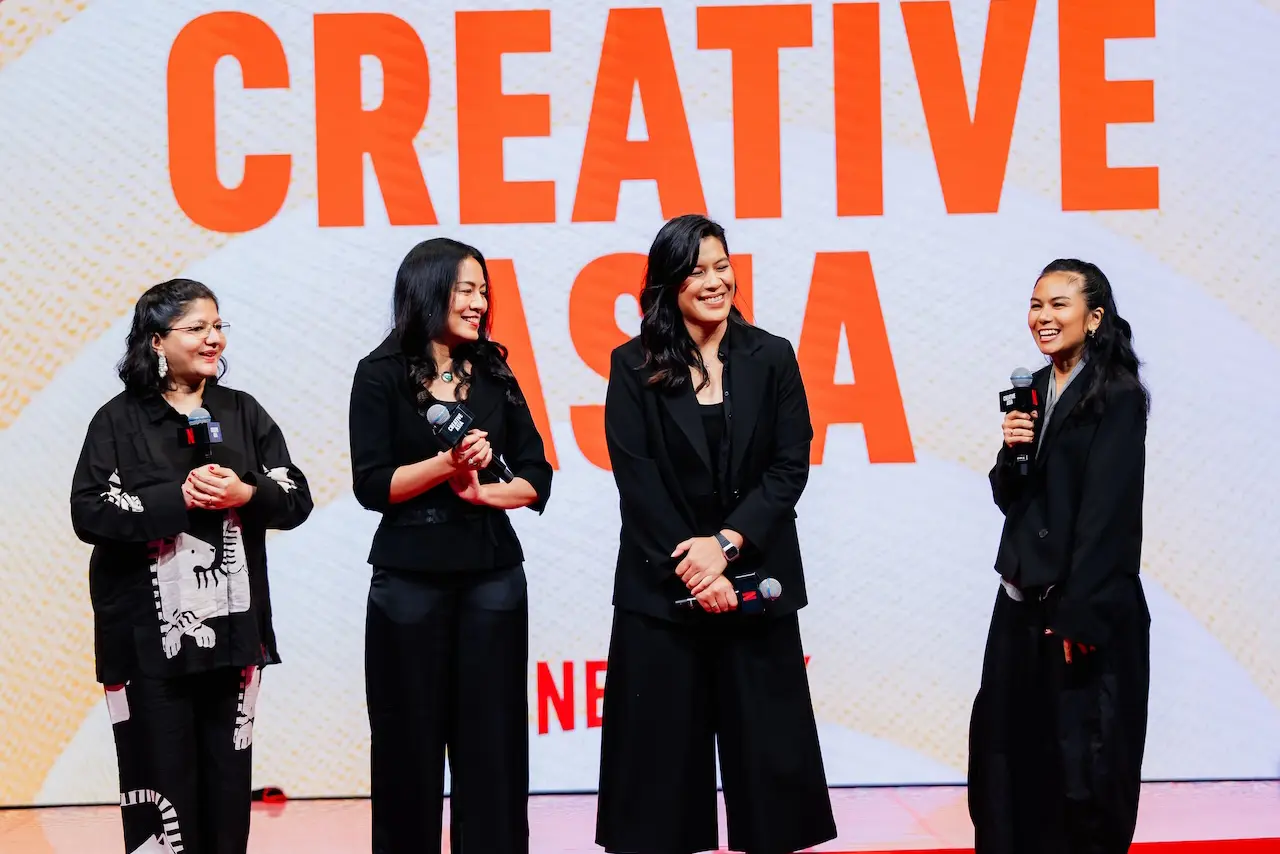
Dee Lestari’s Trilogy Comes to Life. The day concluded with a highly anticipated Press Conference that delivered the biggest surprise of the event. In a historic announcement, Netflix revealed the series adaptation of three best-selling novels by the acclaimed author Dee Lestari, cementing a powerful synergy between Indonesia’s literary giant and visionary female directors.
The ballroom erupted in applause as the lineup for the trilogy adaptation was unveiled:
- Aroma Karsa, to be directed by Kamila Andini. Known for her sensory and poetic storytelling style seen in Gadis Kretek, Andini is the perfect choice to visualize the olfactory-rich, mystical world of Raras Prayagung and Jati Wesi.
- Rapijali, to be helmed by Sabrina Rochelle Kalangie. With her vibrant aesthetic and strong grasp of youth culture, Kalangie is set to bring the musical journey of Ping to vibrant life.
- Perahu Kertas, confirmed as the third title in this massive adaptation project, with the director to be announced at a later date.
Dee Lestari, joining the filmmakers on stage, expressed her delight at this new chapter for her body of work. “Seeing these stories transition from text to a visual series with such incredible directors is a dream realization,” she shared. This grand announcement perfectly encapsulates JAFF 20’s theme of Transfiguration, marking a new era where Indonesian literature and global streaming seamlessly converge to bring local stories to the world stage.
Writer: Pulung Aruna Bhumi
Photos: Netflix